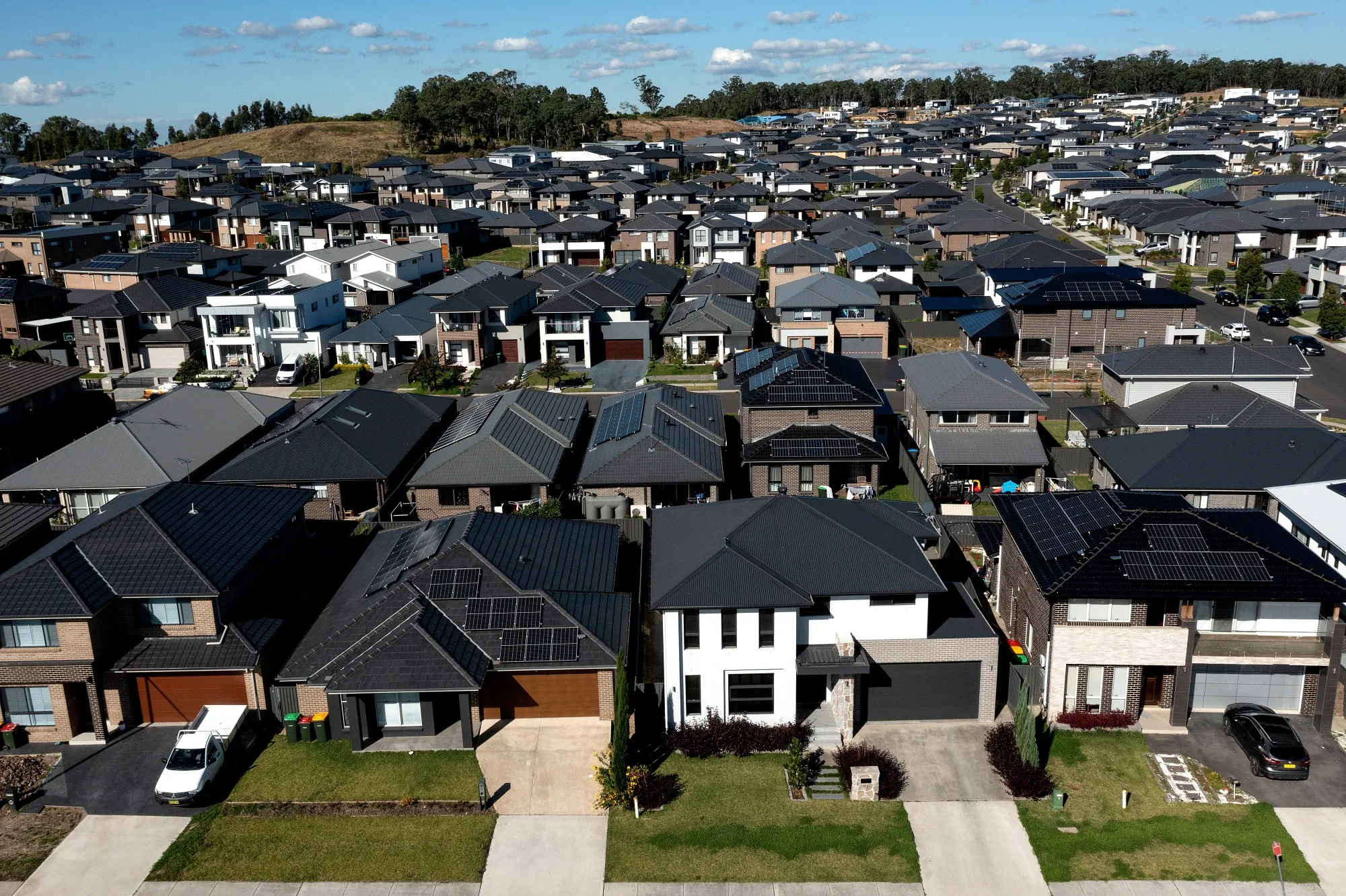
Australian Home Prices Stall in 2026

A Pause in the Property Market

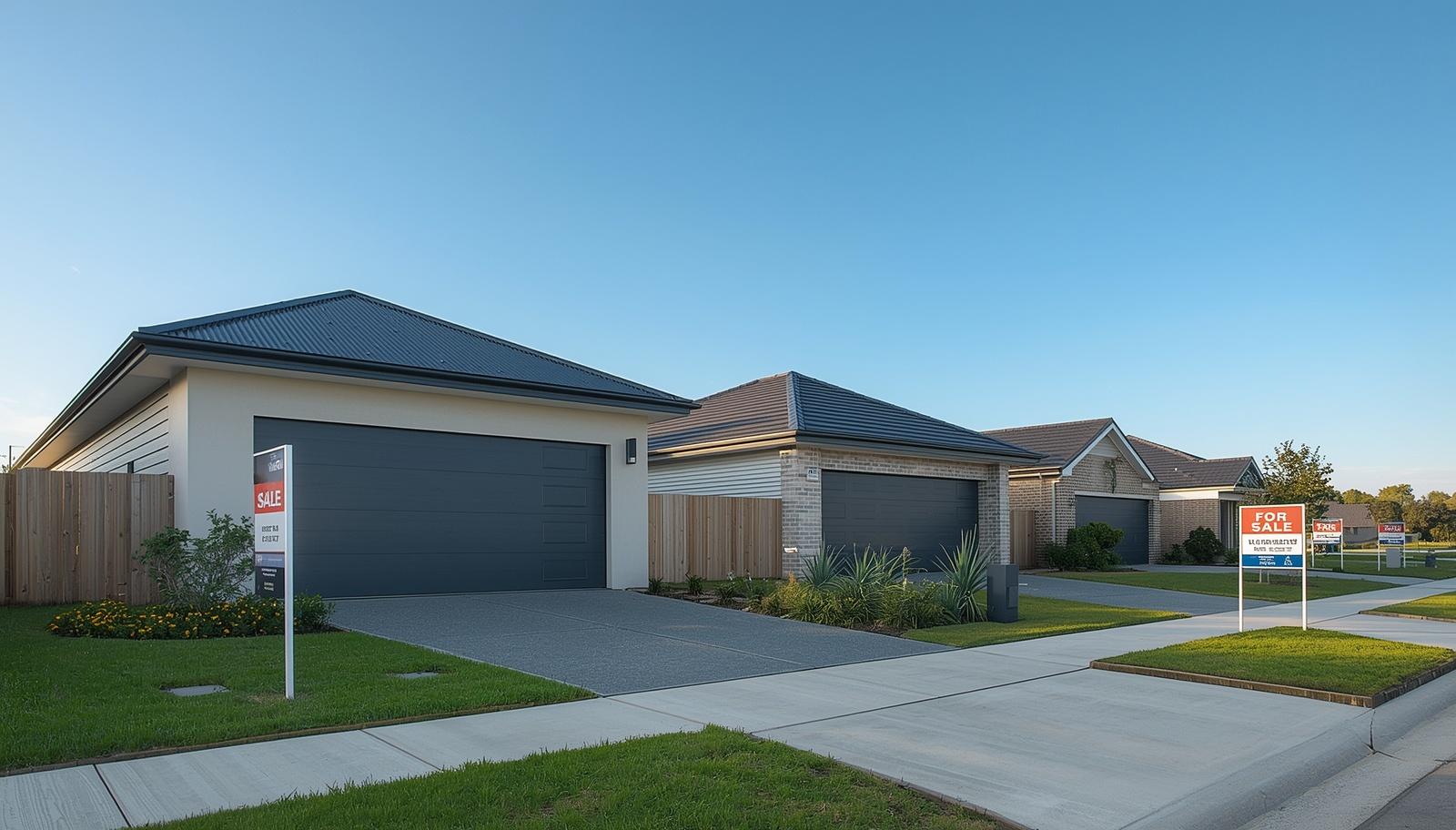
For many Australians, property prices aren’t just numbers — they’re deeply tied to stress, security, and long-term financial wellbeing. After years of rapid growth, Australia’s housing market is showing signs of stalling, as uncertainty around interest rates continues to weigh on confidence.

According to recent reporting from realestate.com.au, national home prices have slowed as buyers and sellers alike take a cautious pause amid renewed rate fears. While this may feel unsettling, a slower market can also create space for clearer thinking and better decision-making.

Let’s unpack what’s happening — and what it means for households navigating financial pressure in 2026.

What’s Happening in the Housing Market?

Recent data suggests Australian home prices are no longer climbing at the pace seen in previous years. As outlined in this Realestate.com.au report, concerns around interest rate movements have led to reduced buyer urgency and softer demand in several major markets:
👉 Read More 

While some cities continue to see resilience, the broader trend points to market hesitation rather than momentum. This slowdown reflects a combination of affordability constraints, elevated mortgage costs, and uncertainty about what comes next.

Why Interest Rate Fears Matter So Much

Interest rates influence far more than borrowing capacity — they affect how safe people feel financially.

When rates rise or even threaten to rise:

  • Mortgage repayments increase
  • Household budgets tighten
  • Financial stress levels rise
  • Big decisions are delayed

Research consistently shows that housing costs are one of the strongest contributors to financial stress. At MyMoneyMedic, this is something we see reflected in PulseCheck results, where housing pressure often overlaps with mental and emotional strain.

What This Means for Buyers, Owners, and Renters

🏠 Home Buyers

A stalling market may reduce competition and ease price pressure. However, borrowing power remains sensitive to rate changes, making budgeting and financial clarity more important than ever.

🏡 Existing Homeowners

For current owners, slower price growth can feel disappointing — especially if plans rely on refinancing or selling. On the positive side, stability can reduce panic-driven decisions.

🏘️ Renters

Rental markets often remain tight even when prices stall, which can intensify cost-of-living stress. This makes broader financial wellbeing support essential, not optional.

Practical Tips to Stay Financially Balanced

💡 Tips for Navigating a Slower Property Market

  1. Review your budget with current rates in mind
    Even if rates haven’t changed yet, planning for different scenarios can reduce anxiety.
  2. Avoid panic decisions
    Market pauses are not market crashes. Take time to assess rather than react.
  3. Focus on cash flow, not just property value
    Day-to-day affordability matters more than paper gains in uncertain times.
  4. Check in on your stress levels
    Financial pressure often shows up emotionally first. Early awareness helps prevent burnout.
  5. Seek support before stress escalates
    The MyMoneyMedic Care Portal connects people to wellbeing and financial support services when things feel overwhelming

A Useful Video to Watch

🎥 What will happen to house prices in 2026? The Business | ABC News

Final Thoughts: Clarity Over Fear

A stalling property market doesn’t mean failure, and it doesn’t mean you’ve missed your chance. What it does mean is that certainty matters more than speed right now.

Whether you’re buying, owning, or renting, this moment is an opportunity to pause, reassess, and focus on financial wellbeing — not just financial outcomes.

At MyMoneyMedic, we believe that understanding the emotional side of money is just as important as understanding the numbers. When you feel supported, clearer decisions follow.

Restoring Hope & Balance in 2026

A Gentler Way Forward

The start of a new year often brings pressure to change everything at once — our health, our finances, our routines, even our mindset. While ambition can be motivating, it can also leave us feeling overwhelmed, especially when life already feels heavy.

At MyMoneyMedic, we believe real change begins differently. It starts with restoring hope and balance, not chasing perfection. Instead of dramatic overhauls, sustainable wellbeing comes from small, intentional steps that support both your mental health and financial health.

In 2026, let’s shift the focus from “fixing” ourselves to caring for ourselves — one practical habit at a time.

Why Hope and Balance Matter More Than Motivation

When stress — particularly financial stress — becomes constant, it impacts sleep, relationships, physical health, and decision-making. Research shows that chronic stress keeps the nervous system in survival mode, making long-term planning feel almost impossible.

That’s why restoring balance matters.

According to the World Health Organization, wellbeing isn’t just the absence of illness — it’s the ability to cope with normal stresses, work productively, and contribute to life meaningfully. You can explore this broader definition of wellbeing via the WHO’s mental health overview citeturn0.

Similarly, financial wellbeing is not about how much you earn, but how supported and in control you feel. This aligns with the approach behind the MyMoneyMedic PulseCheck, which focuses on understanding stress patterns before offering solutions.

Quick Reset: A Simple Pause That Restores Control

⏸️ The 60-Second Reset

Why it helps:
Pausing interrupts stress-driven autopilot and brings you back into the present moment. Even brief pauses can reduce anxiety and improve decision-making.

How to do it:

  • Stop what you’re doing
  • Take 3 slow breaths
  • Notice your body and thoughts
  • Ask: “What’s one helpful step I can take next?”

This reset works anywhere — before checking your bank account, responding to an email, or making a financial decision.

Practical Tips to Restore Balance in 2026

🌱 Small Habits with Big Impact

  1. Create a digital wind-down time
    Reduce screen exposure at least 30–60 minutes before bed. This supports sleep quality and emotional regulation.
  2. Do low-pressure movement daily
    Walking, stretching, or gentle movement improves mood and reduces stress hormones — no gym required.
  3. Schedule short money check-ins
    Instead of avoiding finances, set a 5-minute weekly review. Regular visibility builds confidence and reduces fear.
    Related read: https://mymoneymedic.ai/overall-wellbeing
  4. Eat for stability, not perfection
    Balanced meals help regulate blood sugar, which directly impacts mood, focus, and financial decision-making.
  5. Ask for support earlier
    Whether emotional or financial, early support prevents stress from escalating. The MyMoneyMedic Care Portal exists for this reason

Habit Stacking: Making Balance Easier

If starting new habits feels difficult, try habit stacking — attaching a new habit to one you already do.

Example:

  • While making your morning coffee → take 3 deep breaths
  • When you receive income → review spending for 2 minutes

According to research shared by James Clear, author of Atomic Habits, habits stick better when anchored to existing routines
👉 Learn More

This approach reduces resistance and builds consistency without relying on motivation.

🎥 “7 Health Habits That Could Change Your Life in 2026” – Jeremy London, MD

This video explains how small, achievable habits lead to lasting change — strongly aligned with restoring balance rather than forcing transformation.

Final Thoughts: Progress Without Pressure

Restoring hope isn’t about pretending things are easy. It’s about reminding yourself that change is still possible, even when life feels messy.

As you move through 2026, remember:

  • You don’t need to do everything
  • You don’t need to do it perfectly
  • You just need to take one supportive step at a time

At MyMoneyMedic, we’re here to help you build clarity, confidence, and care — financially and emotionally — so balance becomes something you live, not something you chase.